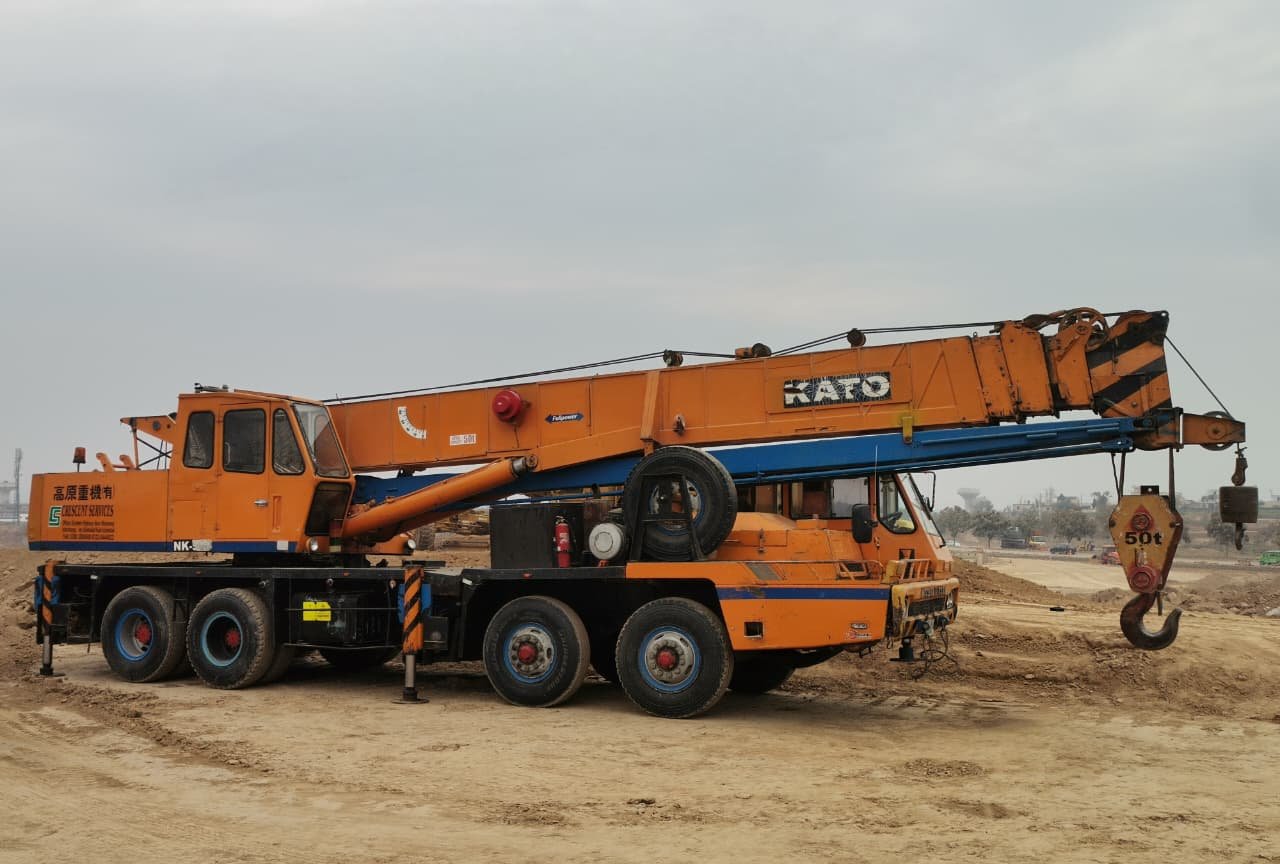
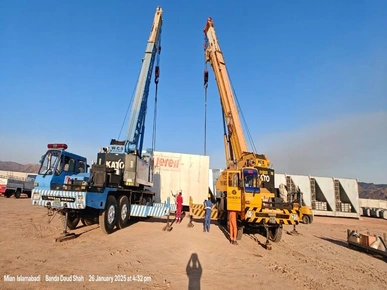
A crane load chart shows how much weight a crane can safely lift in a specific setup. Before planning any lift, contractors must read the chart correctly because crane capacity changes with boom length, working radius counterweight ground support and operating configuration. Understanding a crane load chart helps prevent overload delays equipment damage and unsafe lifting decisions.
What Is a Crane Load Chart?
A crane load chart is a manufacturer-provided guide that lists safe lifting capacities for different conditions. It does not show one fixed capacity for the whole machine. Instead, it explains what the crane can lift at certain boom lengths angles and radii.
This is important because a crane that can lift a heavy load close to its base may lift much less when the same load is farther away. For project managers riggers and site supervisors the chart is the first document to check before selecting equipment.
Start with the Crane Configuration
The first step is confirming the crane configuration. Check whether the chart applies to the exact crane model, boom type counterweight outrigger position, tire position or crawler setup being used.
Using the wrong chart can lead to dangerous assumptions. For example, a crane working on fully extended outriggers may have a different capacity from the same crane working on partially extended outriggers. Always match the chart to the actual site setup.
Understand the Working Radius
Working radius is the horizontal distance from the crane’s center of rotation to the load’s center of gravity. It is one of the biggest factors affecting lifting capacity.
As the radius increases, the crane’s lifting capacity decreases. This means a load may be safe at five meters but unsafe at fifteen meters. Before booking a crane, measure both the pickup point and the placement point. The larger radius usually controls the lift plan.
Check Boom Length and Angle
Boom length and boom angle also affect capacity. A longer boom gives more reach and height, but it can reduce the amount of weight the crane can lift. The load chart shows capacity values for different boom lengths and working angles.
When planning a lift, do not choose a boom length only for convenience. Choose the length that gives safe clearance while keeping the load within the rated capacity.
Confirm the Load Weight
A crane load chart is useful only when the load weight is accurate. Guessing weight is one of the most common planning mistakes. Use manufacturer data, drawings, invoices, engineering documents, or verified weighing information.
Remember to include the weight of rigging equipment, such as slings, shackles, hooks lifting beams, and spreader bars. The crane lifts the total weight not only the main object.
Review Deductions and Limitations
Many charts include notes about deductions attachments, wind limits ground conditions and operational restrictions. These notes are not optional. They may reduce the actual lifting capacity.
For example, a jib hook block, or additional attachment may need to be deducted from the rated load. Read the chart notes carefully before approving the lift.
Learn More
Use a Safety Margin
A crane should not be planned at its absolute limit. A suitable safety margin gives the team more control if site conditions change. It also reduces pressure on the operator and equipment.
If the calculated lift is too close to the maximum rating choose a larger crane, reduce the radius, change the crane position, or adjust the lifting method.
Why Expert Support Matters
Reading a crane load chart requires technical understanding and practical site knowledge. Site access ground stability, overhead obstacles lifting points and communication methods all affect the final decision.
Crescent Crane Services helps construction and industrial clients plan safer lifting operations by matching crane capacity with real project conditions. With the right crane rental support, contractors can avoid equipment mismatch and complete lifting tasks with better confidence.
Final Thoughts
A crane load chart is one of the most important tools in lift planning. It helps teams understand capacity, radius, boom length, configuration, deductions, and safety limits before work begins. By reading the chart carefully and working with experienced crane professionals projects can reduce risks control costs and improve lifting efficiency across Pakistan.