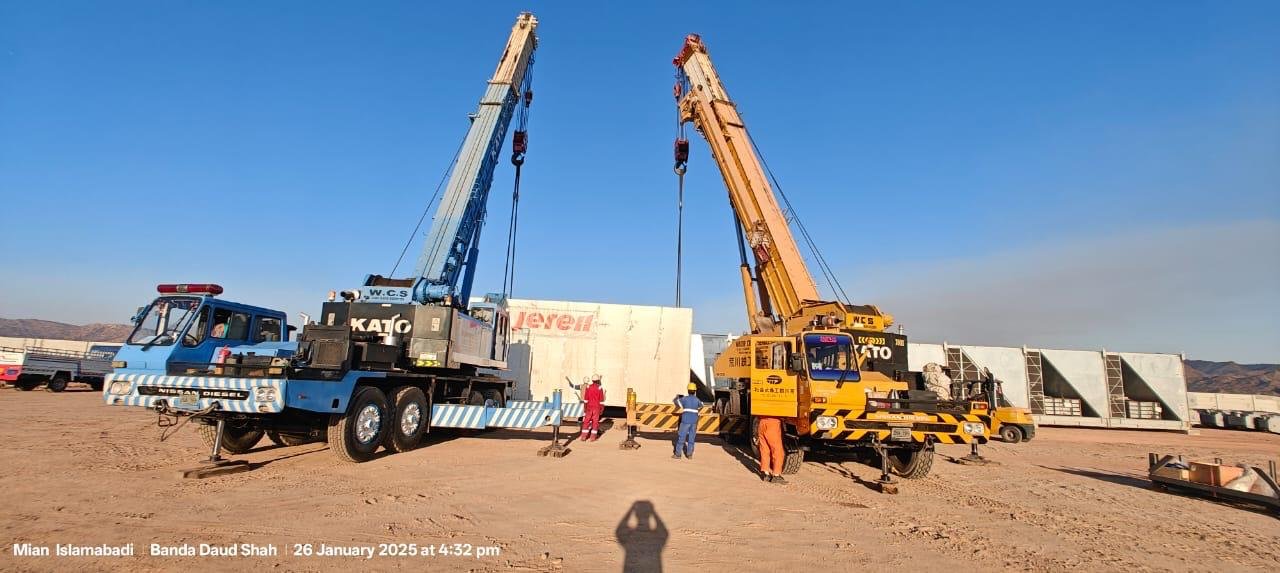
Lift planning mistakes can turn a simple crane job into an expensive project delay. In construction industrial maintenance machinery shifting, and infrastructure work, every lift needs accurate information, suitable equipment, and safe coordination. When planning is weak, contractors may face extra crane hours, waiting charges, damaged materials, rework, safety risks and missed deadlines. Understanding these mistakes helps project managers control costs and complete heavy lifting work with better confidence.
Why Lift Planning Matters
A lift plan is not only a safety document. It is a practical guide that explains how the load will be moved from one point to another. It includes load weight dimensions lifting points, crane position boom length, working radius rigging arrangement ground condition, communication method, and site access.
When this information is missing or incorrect, the crane may arrive unprepared for the job. This can increase rental time, require a larger crane, delay workers, or stop the project completely. Good lift planning protects the schedule and the budget.
Mistake 1: Not Confirming the Load Weight
One of the most common lift planning mistakes is guessing the load weight. Many teams estimate weight based on appearance, but heavy equipment, concrete elements, tanks, steel sections, and generators can be much heavier than expected.
If the weight is wrong, the selected crane may not have enough capacity at the required radius. This may force the contractor to arrange another crane, change the lifting method, or pay extra waiting time. Always confirm the load weight from drawings, manufacturer details, invoices, or engineering calculations.
Mistake 2: Ignoring the Working Radius
A crane’s lifting capacity changes according to distance from the load. A crane that can lift heavy weight close to its base may lift much less when the load is farther away. Ignoring working radius can create serious planning and cost problems.
Before booking a crane measure the distance between the crane position and the load pickup and placement points. This helps the crane rental company recommend the correct machine and avoid last minute changes.
Mistake 3: Poor Site Access Planning
Even the best crane cannot work if it cannot reach or set up at the site. Narrow roads, weak bridges, tight turns, overhead wires, parked vehicles, and limited entry gates can delay mobilization.
Poor access planning often results in additional transport costs, extra labor, and wasted crane rental hours. Contractors should inspect access routes before the crane arrives and clear obstacles in advance.
Mistake 4: Overlooking Ground Conditions
Crane stability depends on strong and level ground. Soft soil, underground tanks, drains, trenches, basements, or recently filled areas can affect safe crane setup. If ground conditions are not checked early, the lift may be postponed.
Ground preparation, outrigger mats steel plates or a different crane position may be required. Planning these items before the lifting date prevents delays and improves safety.
Mistake 5: Choosing the Wrong Crane
Selecting a crane only by price is a costly mistake. The cheapest crane may not match the load, radius, height, ground condition, or site restrictions. An undersized crane creates safety risks, while an oversized crane may increase rental and transport costs unnecessarily.
A professional crane rental company should review the lifting details and recommend suitable equipment. This ensures better performance and cost control.
Mistake 6: Weak Rigging Planning
Rigging is as important as crane selection. Slings, shackles, hooks, spreader beams, chains, and lifting points must match the load shape and weight. Wrong rigging can damage materials or create unstable lifting.
Before the lift, confirm safe working loads, sling angles, balance points, and attachment locations. Proper rigging planning reduces rework and prevents expensive damage.
Mistake 7: Poor Communication on Site
Crane lifts need clear communication between the operator, riggers, signalers, supervisors, and site workers. Confusion during lifting can slow down the operation or create unsafe movements.
Assign one responsible signaler, define hand signals or radio communication, and keep unauthorized workers away from the lifting area. Strong coordination saves time and avoids accidents.
Mistake 8: Not Planning for Weather
Strong wind, rain, poor visibility, or unstable surface conditions can stop lifting work. If the schedule does not allow for weather delays, contractors may face additional crane charges and labor costs.
For critical lifts, check weather forecasts and keep a backup plan. Safety should always come before speed.
Proper records also help reduce lifting risks, so every site team should maintain complete Crane Documentation before starting crane operations.
Final Thoughts
Lift planning mistakes increase project costs by causing delays, equipment mismatch, unsafe conditions, and unnecessary rework. Contractors can avoid these issues by confirming load details checking site access reviewing ground conditions, selecting the right crane, planning rigging, and improving communication.
Crescent Crane Services supports construction and industrial clients with reliable crane rental and heavy lifting solutions in Pakistan. With careful planning and experienced support, your lifting work can be completed safely efficiently and within budget on demanding modern project sites.