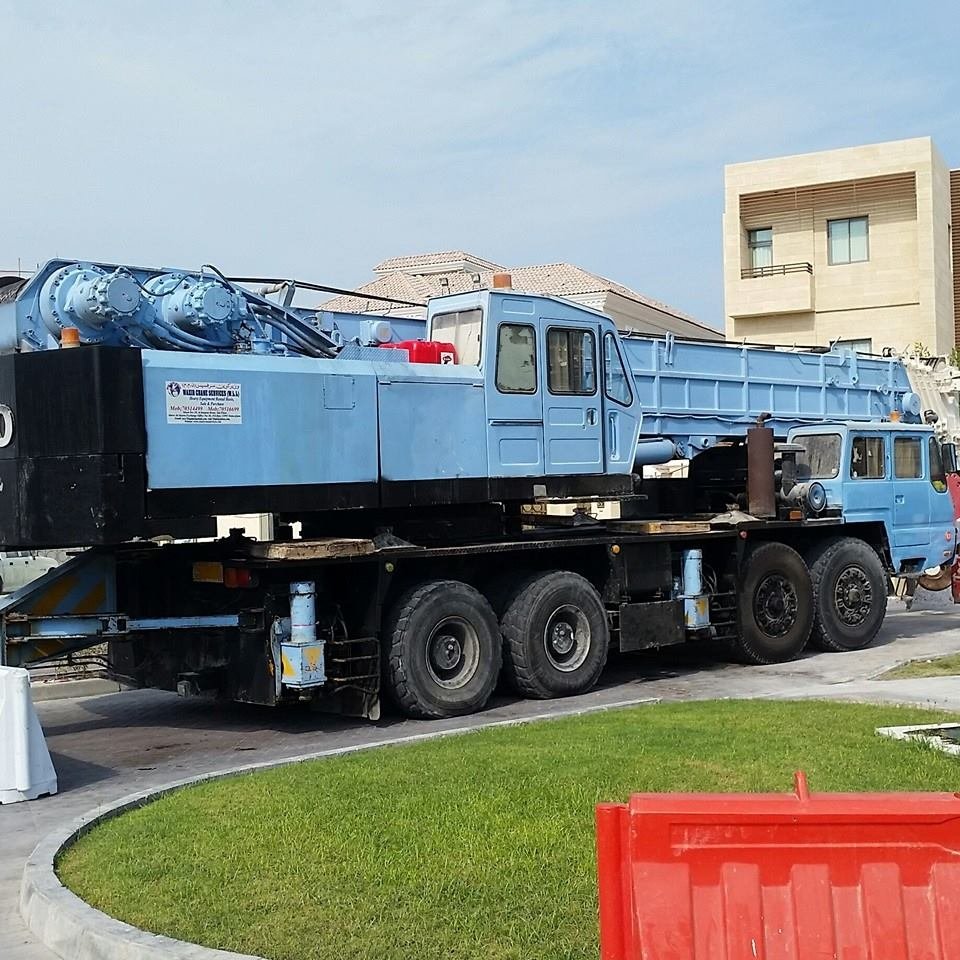
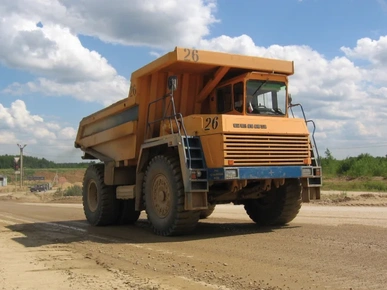
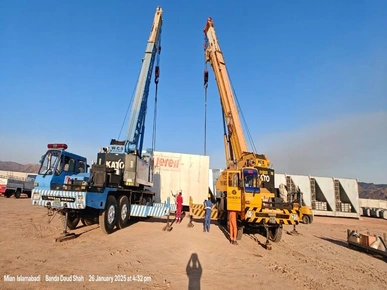
Complex lifting operations require much more than powerful cranes. They demand accurate planning experienced supervision suitable equipment clear communication and strict safety control. Every project has challenges including load weight lifting height limited access, unstable ground, structures and tight deadlines. Crescent Crane Services approaches such jobs through careful preparation and coordinated execution, helping clients complete heavy lifting work safely and efficiently.
Understanding the Project Scope
The planning process begins with an understanding of the lifting requirement. The team reviews the load type dimensions weight lifting points destination and working radius. These details help determine whether the project needs a mobile crane hydraulic crane, crawler crane, or additional support equipment.
The company considers the project schedule site restrictions, and client expectations. Early discussions reduce confusion and allow teams to identify challenges before the crane reaches the site.
Conducting a Site Assessment
A site assessment is essential for Complex Lifting Operations. Crescent Crane Services evaluates access roads working space ground strength overhead hazards underground services nearby buildings and crane positioning options. This inspection helps identify whether the site can safely support the selected equipment.
Ground conditions are important because heavy cranes create pressure during lifting. Soft soil uneven surfaces or underground utilities can affect crane stability. Where required the team may recommend ground preparation steel plates timber mats, or alternative crane positions.
Selecting the Right Crane
Choosing the correct crane depends on more than maximum lifting capacity. The team studies load charts, boom length lifting radius, counterweight requirements, and setup space. A crane may lift a load at a short radius but handle much less weight when the boom extends farther.
Crescent Crane Services matches the machine to the lifting conditions. This prevents overcapacity costs while avoiding the safety risks of using an undersized crane. The selection process may include trailers forklifts loaders or rigging tools needed to move and position the load.
Developing a Detailed Lift Plan
Once the crane and site conditions are confirmed the team prepares a lift plan. This plan outlines the crane location load path lifting sequence rigging arrangement communication method and exclusion zones. It also identifies responsibilities for operators, riggers, supervisors, and site personnel.
For complex or critical lifts calculations and approvals may be required. The goal is to ensure that everyone involved understands the sequence before lifting begins. A structured plan reduces last minute decisions and supports better coordination.
Inspecting Equipment and Rigging
Equipment inspection is another step in Complex Lifting Operations. The crane wire ropes hooks slings shackles spreader beams and safety devices must be checked before use. Damaged or unsuitable rigging can create risks even when the crane itself is properly selected.
Crescent Crane Services focuses on using suitable lifting accessories according to load shape and weight. The team verifies connections lifting points balance and load security before the lift starts.
Coordinating the Lifting Team
Complex lifts require communication between everyone on site. The crane operator must receive signals from trained personnel, while supervisors must keep the work area controlled. Crescent Crane Services establishes a communication system using hand signals radios or designated signalers.
Only team members should enter the lifting zone. By controlling movement around the crane and load, the project team reduces distractions and prevents unsafe access during operation.
Monitoring Weather and Site Conditions
Weather can affect crane safety. Strong winds rain poor visibility or ground changes may make lifting unsafe. The team monitors conditions before and during the operation and pauses work if limits are exceeded.
This approach protects workers equipment and surrounding property. Completing a lift quickly is never more important than completing it safely.
Managing the Lift Step by Step
Before the full lift the team may perform a test lift to confirm load balance rigging security, brake response and crane stability. The load is raised slightly and checked before continuing.
During the main operation, movements are slow, controlled, and coordinated. The operator follows the planned load path while the team monitors clearance boom position and ground response. Any unexpected issue is addressed immediately.
Reducing Downtime and Project Risk
Professional planning helps reduce delays equipment damage and unnecessary costs. By confirming site readiness crane capacity rigging and personnel in advance Crescent Crane Services helps clients avoid common lifting problems.
Efficient preparation also improves scheduling. Contractors can coordinate labor, transport installation teams, and site access around the lifting window resulting in smoother project execution.
Final Thoughts
Complex Lifting Operations depend on careful planning correct equipment, experienced operators and disciplined site control. Crescent Crane Services manages each stage from initial assessment and crane selection to rigging communication and final placement.
This structured approach supports construction industrial infrastructure and machinery shifting projects across Pakistan. With dependable equipment and practical planning Crescent Crane Services helps clients complete challenging lifts with greater safety accuracy, and confidence.