How to Plan Heavy Lifting Work on a Construction Site
Heavy lifting is a task on any construction site. It involves moving steel beams, concrete panels machinery tanks or heavy materials with cranes and lifting equipment. Without proper planning lifting work can cause delays accidents damage and costs. A clear plan helps contractors complete every lift safely and efficiently.
Check the Load First
Before starting heavy lifting, the project team must understand the load. Check its weight size shape lifting points, and center of gravity. These details help decide which crane slings hooks shackles and support tools are required. Never guess the load weight because wrong information can create serious safety risks.
Inspect the Construction Site
Site inspection is an important part of lifting planning. The team should check ground condition access roads working space nearby structures underground utilities and overhead power lines. The crane must stand on firm level ground. If the ground is weak, mats or support plates should be used before lifting starts.
Choose the Right Crane
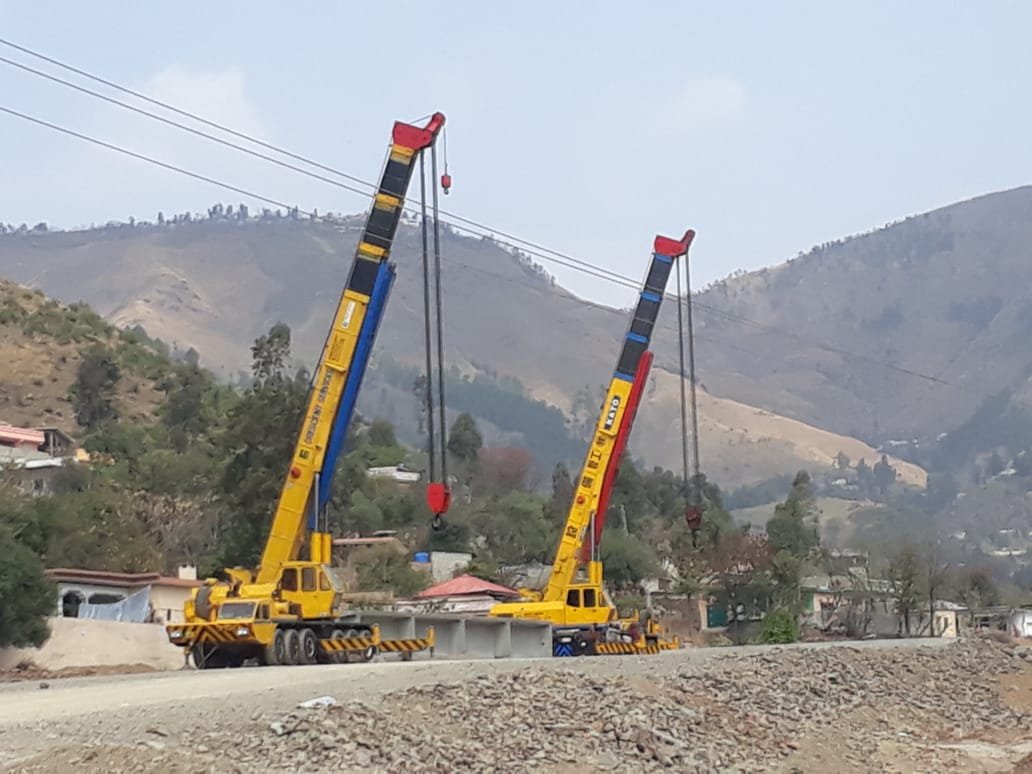
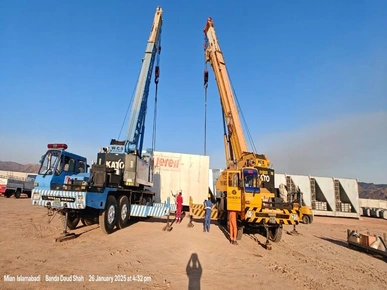
The right crane depends on load weight lifting height boom length working radius and site access. Mobile cranes are useful for flexible lifting work. Crawler cranes are better for heavy loads and rough ground. Tower cranes are suitable for high rise construction. Reliable crane rental services can guide contractors in selecting the best equipment for the job.
Prepare a Lifting Plan
A lifting plan should explain crane position load path rigging method communication signals exclusion zones and emergency steps. It should also mention who is responsible for each task. This avoids confusion and keeps the lifting team organized.
Use Skilled Workers
Heavy lifting should be handled by trained crane operators riggers and signal persons. Good communication is essential during every lift. Radios or hand signals should be clear and understood by everyone involved.
Monitor Safety Conditions
Weather wind speed visibility and site movement must be checked before and during lifting. If conditions become unsafe the lift should stop immediately.
Conclusion
Heavy lifting requires careful planning proper crane selection skilled workers and strong safety control. With the right approach construction companies can reduce risks save time protect materials and complete lifting work.